Source Custom Logo Beanie for Winter, Sports, and Promotional Use
Source custom logo beanie options from 30 verified listings. Compare materials like 100% acrylic, features such as windproof and reversible designs, and pricing for winter and autumn applications. Evaluate suppliers based on customization capabilities and lead times; compare the available evidence and request quotations based on your requirements.
Key considerations
Products List


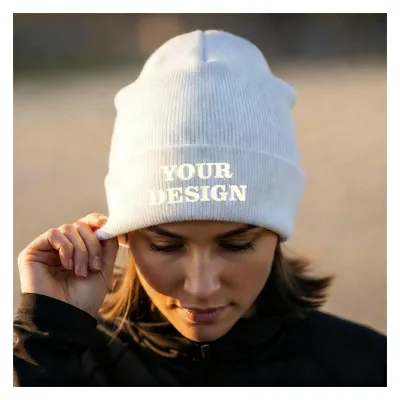
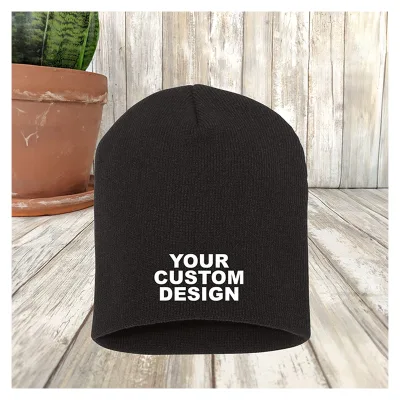
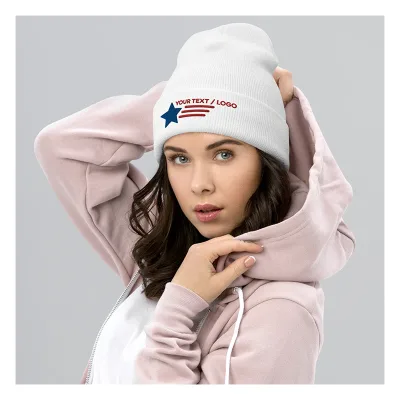


Comprehensive Sourcing Guide
Custom Logo Beanie Sourcing Guide
Procuring custom logo beanies requires distinguishing between knit styles and structured caps, as the supplied data reveals a market split between 100% acrylic beanies and snapback caps with brims. Buyers must verify whether the supplier offers the specific crown and brim configuration needed for their brand identity, noting that some listings specify "With Crown" while others describe "Without Brim" styles. This distinction fundamentally alters the manufacturing process and the final aesthetic, making it a primary decision point before requesting samples.
The observed product attributes indicate a strong focus on winter and autumn seasons, with materials ranging from pure acrylic to blends containing spandex for elasticity. Sourcing teams should prioritize suppliers who explicitly list "Custom" logo capabilities alongside "3D Embroidery" or "Thermal Transfer Printing" technologies, as these methods define the durability and visual quality of the branding. Understanding these technical variances ensures the selected vendor can meet the specific design requirements for the target demographic, which includes both adults and teens.
Product Scope and Observed Listing Signals
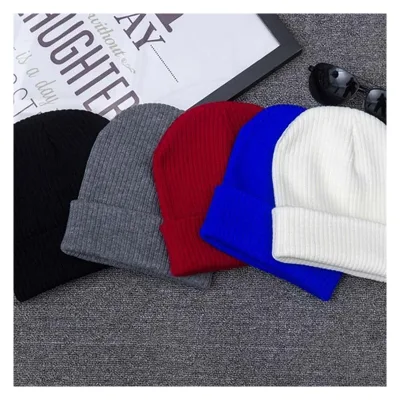
Market listings for custom logo beanies frequently highlight a diverse color palette including yellow, white, red, purple, and blue, alongside functional features like windproofing and moisture-wicking properties. Buyers should scrutinize these claims against the actual material composition, as some products are described as "100% Acrylic" while others utilize a blend of acrylic and spandex to achieve a specific fit. The presence of "Smart" or "Rechargeable" features in some listings suggests a niche segment of high-tech headwear that requires different verification protocols than standard winter accessories.
The observed price range of 0.01 to 5.99 USD indicates a highly competitive market with significant variance based on customization complexity and order volume. Procurement teams must recognize that the lowest price points often correlate with higher minimum order quantities, such as the observed 200-piece MOQ for certain knitted styles, whereas smaller batches may incur higher unit costs. Evaluating the "Hat Price" descriptors like "Cheap" or "Competitive" requires cross-referencing with the specific material standards and packing methods to ensure the quoted price reflects genuine value rather than compromised quality.
Technical Specifications to Verify
Verifying the physical dimensions and weight of the beanies is critical for ensuring consistency across large orders, as the data shows specific weight ranges of 55-60g and size specifications like 21cm*21cm for certain models. Buyers should request detailed size charts that account for the "Adult size" standard mentioned in the listings, ensuring the product fits the intended demographic without being too tight or loose. The distinction between "Custom" sizing and standard adult sizes must be clarified early to avoid production errors that could lead to rejected shipments.
Manufacturing techniques such as "3D Embroidery" and "Knitted" patterns offer different textural outcomes that impact the final product's perceived quality and durability. Sourcing managers need to confirm whether the supplier uses "Thermal Transfer Printing" for logos or relies on embroidery, as each method has distinct cost implications and longevity profiles. Additionally, the presence of "Reversible" or "Foldable" features requires a technical review of the stitching and material integrity to ensure these functional attributes do not compromise the structural soundness of the beanie during regular use.
Compliance and Safety Documentation
While the supplied facts do not explicitly list specific safety certifications, buyers must demand documentation for any claims regarding "UV Resistant" or "Radiation-blocking" properties, as these are performance assertions that require third-party validation. In the absence of provided test results, procurement teams should insist on material safety data sheets that confirm the acrylic and spandex blends meet international textile safety standards for flammability and chemical content. This due diligence is essential to mitigate liability risks, especially when marketing products to children or in regions with strict consumer protection laws.
The "Windproof" and "Water Resistant" attributes listed in the product descriptions necessitate verification through standardized testing protocols to ensure these claims are not merely marketing terms. Buyers should request evidence of water repellency ratings or wind penetration tests, particularly for winter gear intended for outdoor use in harsh conditions. Without concrete test data, these features remain unverified observations, and relying on them without proof could lead to customer dissatisfaction and potential returns if the product fails to perform as advertised in real-world scenarios.
Cost Drivers and Commercial Terms
The commercial landscape for custom beanies is heavily influenced by the "Hat MOQ" requirements, which vary from 2 to 500 pieces depending on the specific model and customization level. Buyers must calculate the total landed cost by factoring in the "Freight" sample fees and the "20-25 Days" delivery time after sample confirmation, as these lead times can impact inventory planning and cash flow. Understanding the relationship between order volume and unit price is crucial, as the observed "Wholesale" pricing structure often rewards larger commitments with significantly lower per-unit costs.
Packing and logistics represent another significant cost driver, with options ranging from "1piece/OPP Bag" to bulk "Carton" packaging, each affecting shipping efficiency and protection levels. Procurement teams should negotiate terms that align with their distribution strategy, ensuring that the "More Than 12 Years Experience" of packing workers translates into damage-free delivery. Additionally, the "Sample Time" of 3-5 or 5-7 working days must be integrated into the project timeline, as delays in sample approval can cascade into missed market entry windows for seasonal products.
Supplier Qualification and Quality Control
Supplier qualification should prioritize manufacturers with documented experience, such as the noted "More Than 15 Years Experience" of sewing workers, which often correlates with higher consistency in stitch quality and pattern alignment. Buyers should verify the origin of the goods, as the data points to specific locations like Jiangsu and Jiangsu Zhenjiang, which are known hubs for textile manufacturing in China. Confirming the specific factory location allows for more accurate assessment of local labor standards and logistical capabilities, ensuring the supply chain is resilient to regional disruptions.
Quality control processes must be rigorously defined to maintain the integrity of the "Custom" logo and the structural features like "Ear Warmer" or "Breathable" designs. Sourcing teams should implement a pre-shipment inspection protocol that checks for defects in the "Printed" or "Plain Dyed" patterns and verifies the accuracy of the "Hat Logo" placement. Given the "Rechargeable" or "Smart" features in some listings, electrical safety checks should also be included in the quality assurance plan to ensure all electronic components function correctly and safely before the goods leave the factory.
Long-Term Procurement Checks
Establishing a long-term partnership requires regular audits of the supplier's ability to maintain consistent quality across multiple production runs, especially when scaling from small sample orders to full-scale manufacturing. Buyers should monitor the "Hat Sample Time" and "Delivery Time" metrics over several quarters to ensure the supplier can meet deadlines consistently without compromising on the "Washable" or "Quick Dry" attributes of the product. Consistency in lead times is vital for seasonal inventory planning, particularly for winter goods where market windows are narrow and predictable.
Continuous evaluation of the product's performance in the market is essential to validate the initial claims regarding "Sun Protection" and "Moisture Wicking" capabilities. Procurement teams should gather feedback from end-users to identify any discrepancies between the advertised "Special Features" and actual customer experience, using this data to refine future specifications. By maintaining open communication channels and reviewing the "prod_model" variations like YJL-2024 series, buyers can ensure their product line evolves with market trends while maintaining the high standards established during the initial sourcing phase.
FAQs
Can I get a custom logo on these beanies?
Yes, custom logos are available for these beanies. You can choose from various customization options to brand the headwear. The product supports custom logo printing or embroidery. This allows businesses to create unique merchandise. Contact the supplier to discuss specific design requirements and placement for your order.
What material are these winter beanies made from?
These beanies are primarily made from 100% acrylic material. Some variations may include spandex for added stretch and comfort. The fabric is designed to be breathable and moisture-wicking. It provides warmth suitable for winter and autumn seasons. The material is also washable and lightweight for everyday wear.
What is the minimum order quantity for custom beanies?
The minimum order quantity varies by supplier but typically ranges from 2 to 500 pieces. Some vendors require a MOQ of 150 or 200 PCS for custom orders. Lower MOQs may be available for standard items. Check specific supplier listings for exact requirements. Bulk orders often benefit from competitive wholesale pricing structures.
How long does delivery take after sample confirmation?
Delivery time is generally 20-25 days after the sample is confirmed. Sample production usually takes 3-7 working days depending on complexity. This timeline allows for quality checks before mass production. Expedited shipping options may be available for urgent orders. Confirm lead times with your chosen supplier to plan accordingly.
Are these beanies suitable for unisex wear?
Yes, these beanies are designed for unisex wear. They are suitable for adults and teens. The styles include snapback caps and classic beanies. Colors range from basic black and white to colorful options. The adjustable features ensure a comfortable fit for various head sizes.
What special features do these beanies offer?
These beanies offer features like windproof, water-resistant, and breathable fabric. Some models are reversible, foldable, or have ear warmers. They are lightweight and quick-drying for active use. UV resistance and sun protection are also available in certain styles. These features make them ideal for outdoor winter activities.